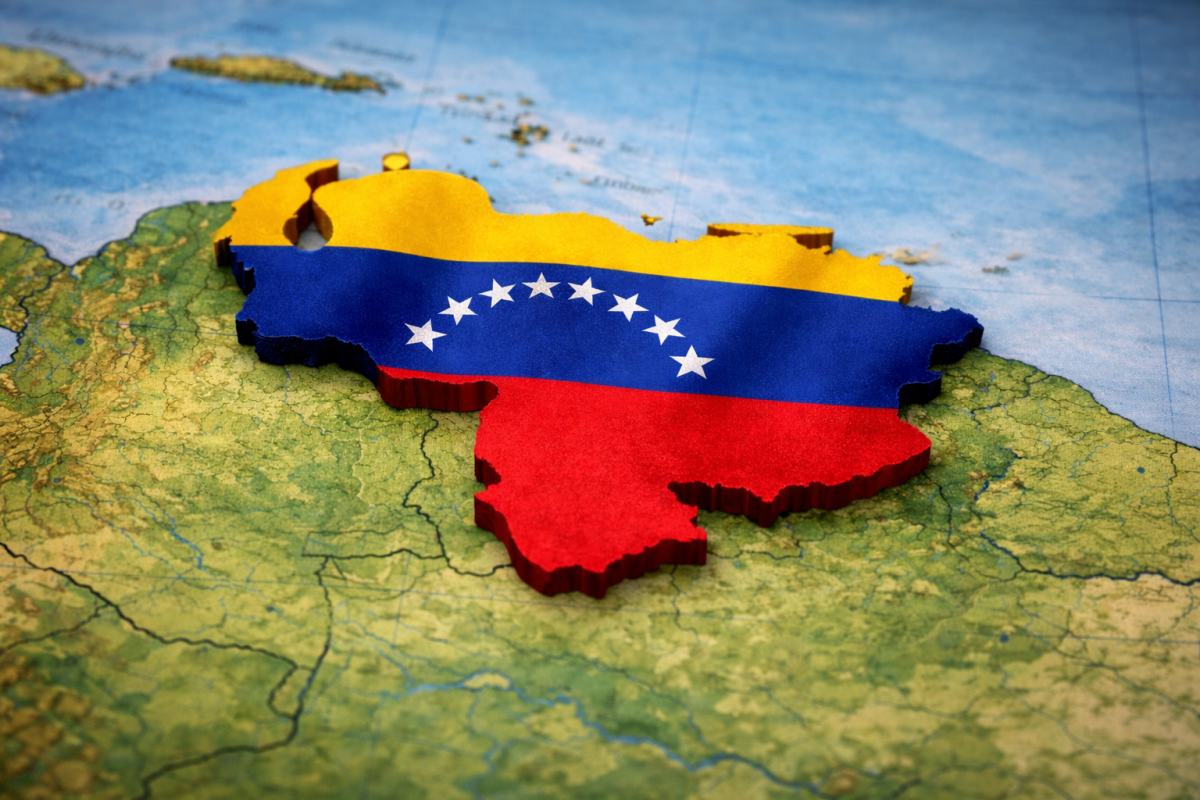
The Trump administration’s approach toward Venezuela has prompted sharp debate in Washington and abroad, raising questions about presidential authority, foreign intervention and the future of U.S. policy in Latin America.
On Jan. 5, President Donald Trump made remarks suggesting a high level of U.S. control over developments in Venezuela, following reports of a dramatic operation that allegedly removed Venezuelan leader Nicolás Maduro from power. According to administration statements, Vice President Dely Rodríguez assumed leadership responsibilities in Caracas during the transition. Maduro was reportedly taken to the United States to face legal proceedings, though details surrounding the operation remained unclear and were not independently verified.
Speaking to reporters, Trump stated that the United States was “in charge,” a claim that drew immediate attention due to its implications for Venezuelan sovereignty. “Don’t ask me who’s in charge, because I’ll give you an answer, and it’ll be very controversial,” Trump said. “It means we’re in charge.”
The comments reflected an increasingly assertive U.S. posture in the Western Hemisphere, particularly toward governments that oppose American political or economic influence. Trump also referenced neighboring countries, saying Colombia was “very sick” and suggesting that Mexico needed to “get their act together,” comments that further fueled diplomatic concern.
Democrats in Congress responded with growing criticism, arguing that the administration failed to seek congressional authorization for actions that could be interpreted as an act of war. Several lawmakers said the Constitution grants Congress the authority to approve military force, warning that bypassing that process could set a dangerous precedent.
Republican leaders, meanwhile, largely stood behind the president, continuing a pattern of strong party support for Trump’s foreign policy decisions. Some Republicans framed the situation as a necessary step to protect U.S. interests and regional stability, particularly given Venezuela’s long-standing political and economic crisis.
As the administration and Congress work to determine a path forward, uncertainty remains over how the situation will affect U.S. relations in Latin America and whether internal divisions within Trump’s political base could deepen. The long-term consequences of this latest foreign policy move may take months, or longer, to fully emerge.