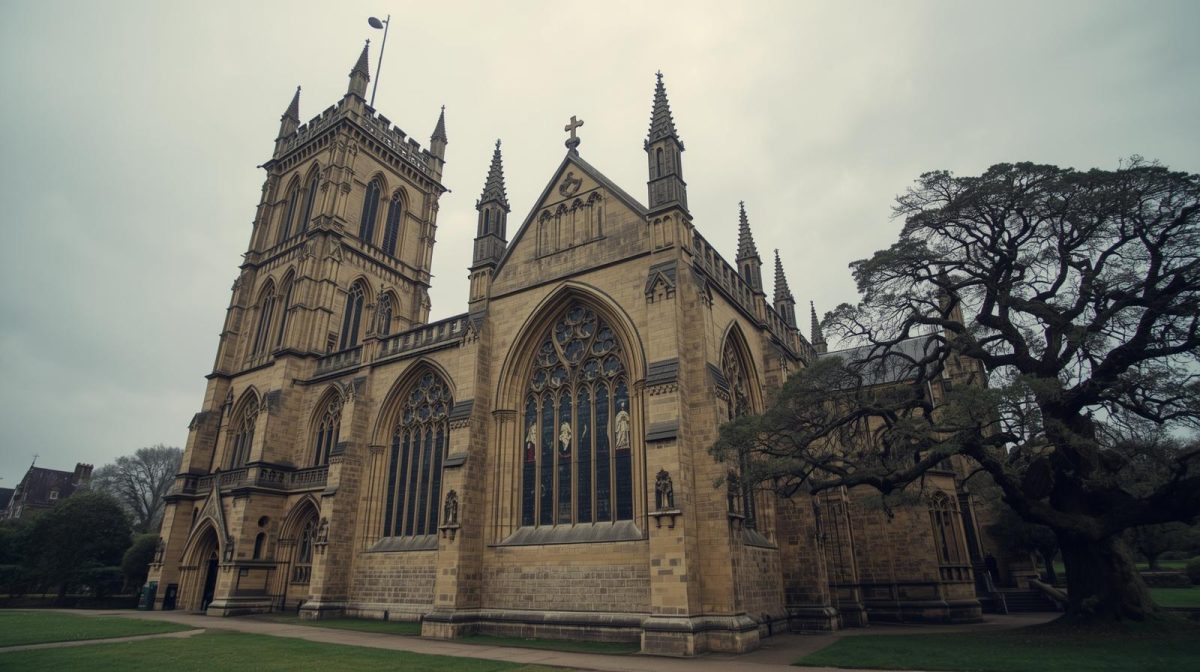
Every January in Spain, communities celebrate the feast day of St. Anthony the Abbot, the patron saint of domestic animals. This event is part of the country’s long-standing cultural and religious traditions.
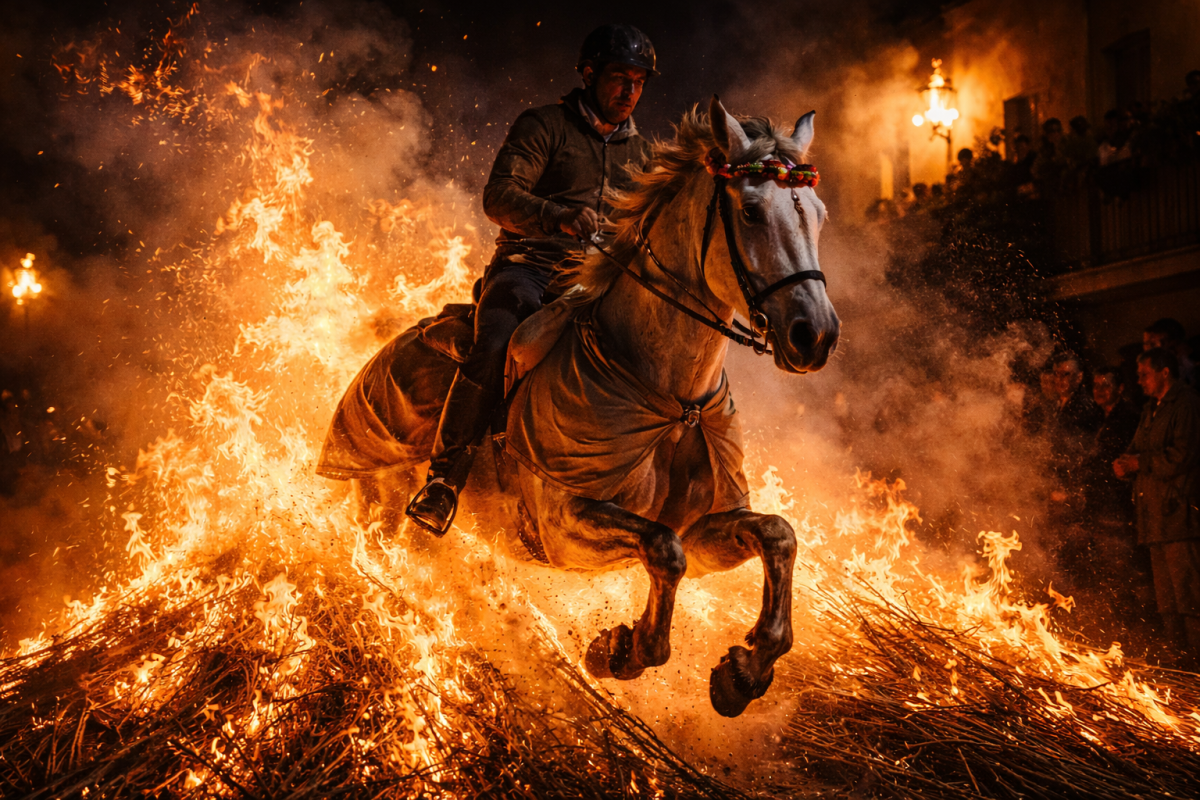
In a village about 60 miles outside of Madrid called San Bartolomé de Pinares, people from all over come to take part in the Las Luminarias Festival. Hundreds of spectators watch as horses are guided through massive bonfires lit in the middle of the street. Many locals say this ritual has been practiced for centuries and was originally meant to protect animals from sickness and misfortune during the upcoming year.
Late in the evening, around nightfall, the festival officially begins as large stacks of branches are set up on either side of the road. Once they are lit, riders guide their horses around the fires or even jump directly through the flames. Before the horses enter the fire, they are wrapped in fire-resistant material, and their manes are braided for added protection. Some horses are also decorated with ribbons and headpieces, adding to the visual intensity of the celebration.
Some animal rights activist groups have criticized the festival, raising concerns about the safety and stress placed on the horses involved. However, supporters argue that the horses are rarely harmed and that strict precautions are taken. Riders are trained to guide their horses calmly through the smoke and fire, and veterinarians are often present to ensure animal safety.
The following day, on St. Anthony’s Day, churches across Spain allow pet owners to bring their animals to be blessed with holy water. This ceremony is believed to bring good health and protection to animals in the coming year. Many pets were bundled up in winter coats and vests as they patiently waited their turn for a blessing.
Together, the fire leapings and church blessings show the diverse ways Spanish culture celebrates animals, blending ancient customs with religious faith. For many communities, these traditions are not just religious events, but an important expression of history.