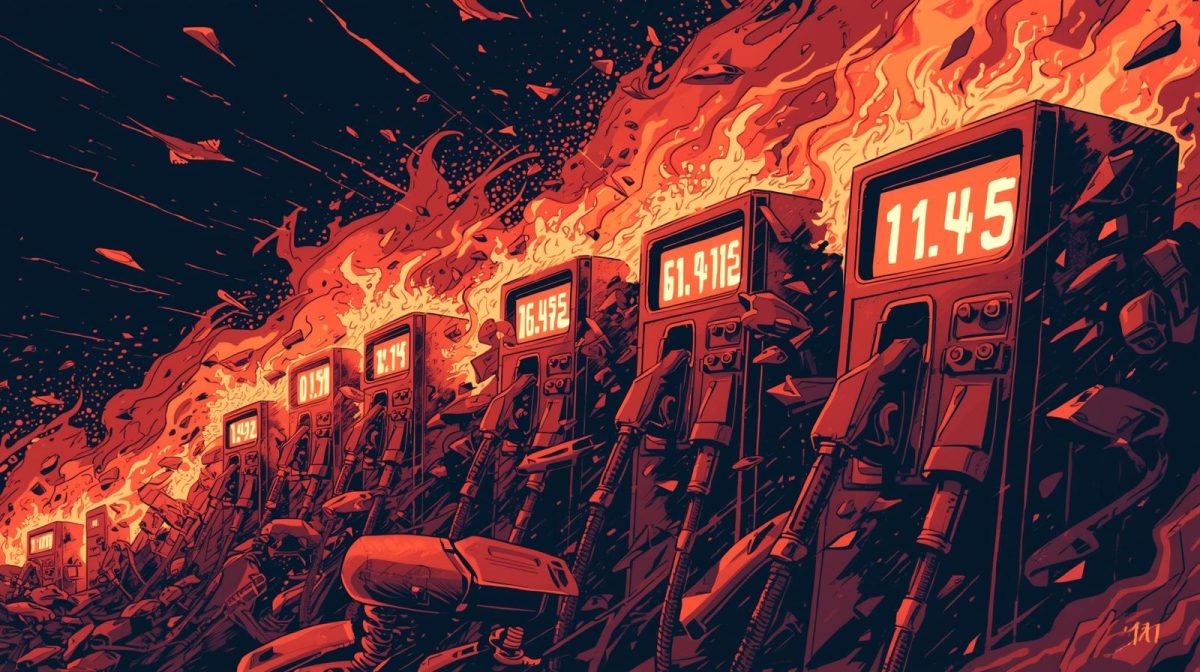
Recent gasoline price spikes have been attributed to a complex interplay of global factors, primarily stemming from supply and demand imbalances coupled with significant geopolitical events. A thing has been the rebound in global demand as economies worldwide recovered from the COVID-19 pandemic. As travel and economic activity resumed, the demand for oil, the primary component of gasoline, increased sharply.
Next, global oil supply has faced considerable constraints. The Organization of the Petroleum Exporting Countries and its allies have been cautious in increasing production, aiming to maintain higher prices. Furthermore, disruptions in supply chains, including labor shortages and logistical challenges, have further limited the availability of refined gasoline.
A significant contributing factor to the recent surges has been the war in Ukraine. Russia is a major global oil producer, and the sanctions imposed on Russian oil and gas have significantly impacted global energy markets.
This has created uncertainty and fear of further supply disruptions, leading to speculative trading in oil futures, which drives up prices at the pump. These combined pressures of the outburst demand meeting constrained supply, exacerbated by geopolitical instability, have resulted in the significant and rapid increase in gasoline