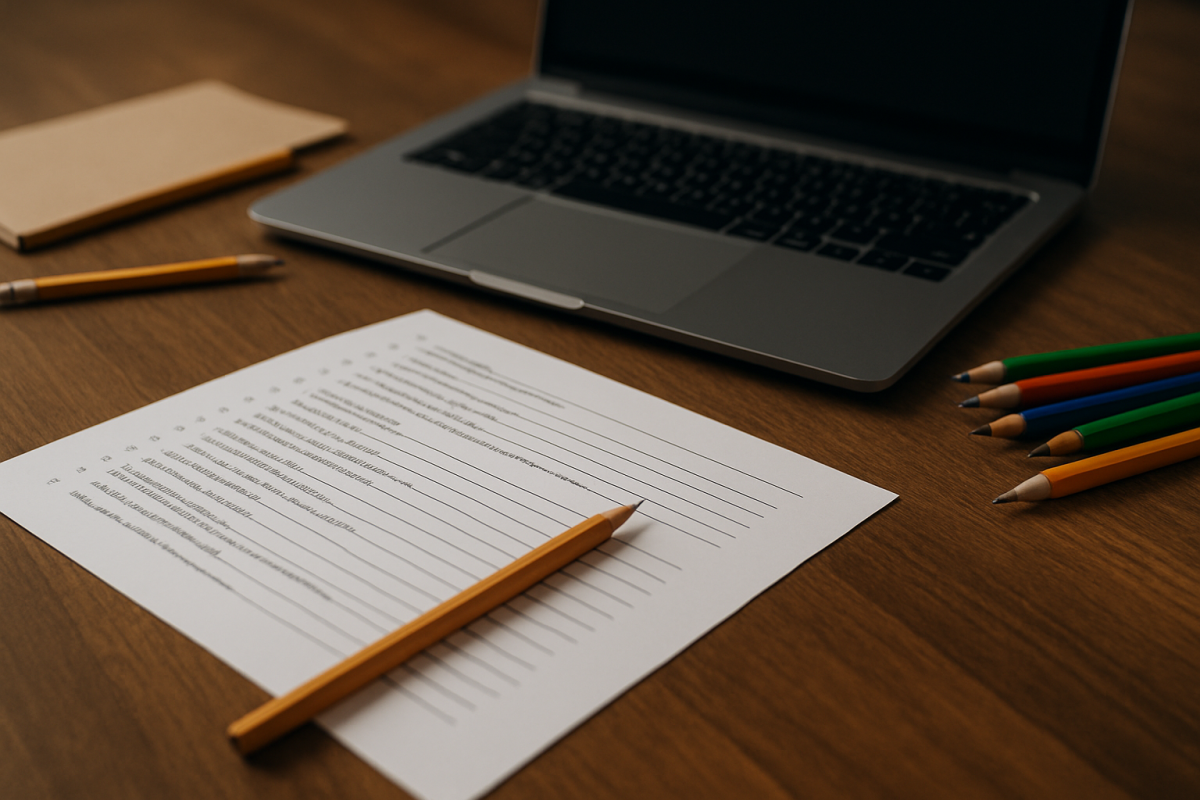
In today’s digital world, many schools are turning to computers, and online programs to complete assignments. Although technology can be helpful, doing schoolwork on paper remains a better option for most students. Paper offers important benefits that computers cannot replace, including improved focus, stronger memory and a bigger sense of creativity for the students. Even though devices may seem faster or more modern, the traditional method of writing on paper creates a deeper and healthier learning experience. This helps prevent kids from using AI.
One of the strongest reasons paper is better for schoolwork is that it helps students to stay focused. Computers open the door for countless distractions, whether it’s notifications popping up, social media tabs or even games. Even when a student has good self-control, the temptation never leaves. Paper, on the other hand, creates a quiet learning environment with fewer interruptions. When students write on a piece of paper, they can concentrate fully on the assignment without having to worry about the digital noise that makes it hard to stay on task. This focused environment leads to better-quality work and a more meaningful engagement with the given material.
Writing on paper also helps improve the students’ understanding and memory. Many studies have shown that handwriting helps the brain connect to learning and problem-solving. When students physically write down the information, their brains can actually process it more deeply compared to typing. This means they are more likely to remember what they had learned when they wrote it down. For example, taking notes by hand requires students to summarize ideas in their own words, which strengthens comprehension. Typing on a computer often encourages mindless copying, where students write fast but absorb little. Paper forces all students to actually understand, remember and put effort into what is being written.
Another important benefit of writing things on paper is that it reduces eye strain and fatigue. Students spend hours on end each day looking at screens, whether it’s their phone, a computer or a TV. Excessive screen time for homework can lead to headaches, blurry vision and sleep disturbances. Writing on paper gives the eyes a much-needed break from blue light. It also allows students to move around, change positions, and work in a more comfortable posture, instead of being stuck sitting in front of a screen all the time. This leads to a healthier way of studying habits overall.
Additionally, I believe that paper encourages creativity and flexibility. On paper, students can draw diagrams, jot down what they feel, highlight key points and write down side notes. Paper makes brainstorming more natural because students can physically move through their thoughts. They can actually take time to think about their ideas. Computers, by comparison, can feel restrictive and students may worry about grammar, where to place the text, or how to navigate a complex program. With paper, ideas flow more freely, making it easier for students to express themselves and stay engaged with their work.
In conclusion, schools may continue to embrace digital tools, but traditional paper-based work still provides a deeper, healthier and more effective educational experience. For these reasons, students benefit significantly more from writing by hand than from completing their assignments on a computer.