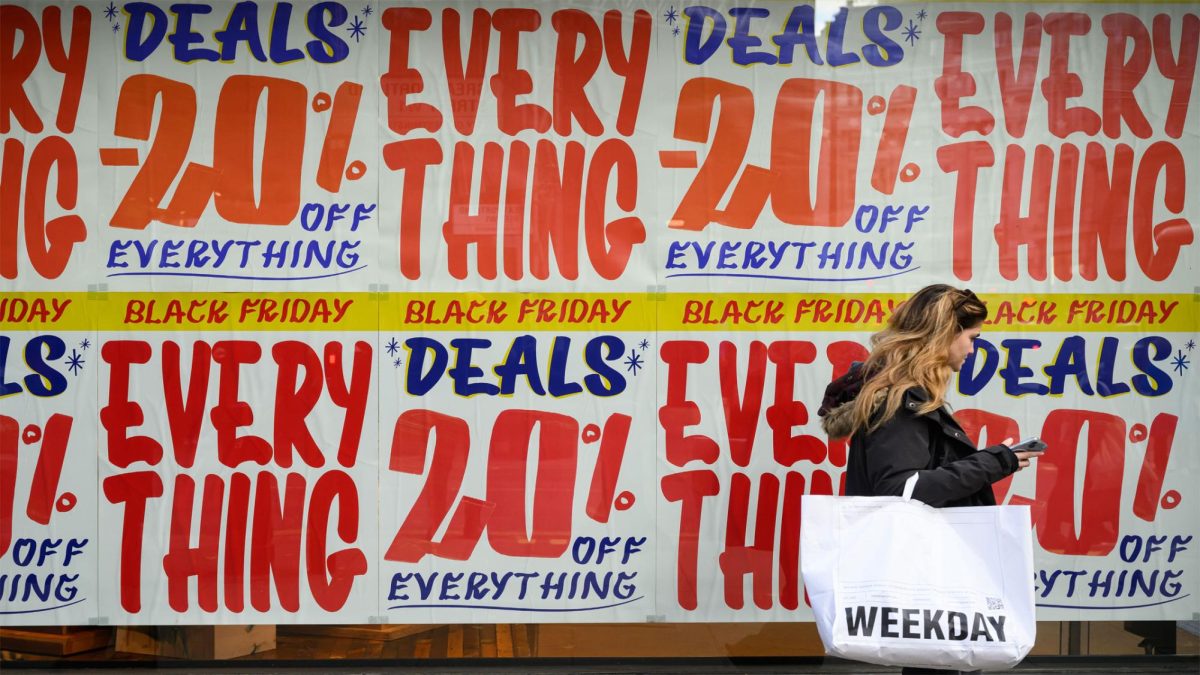
As society continues to lean towards a more technological world, some national holidays begin to face a significant change, whether it’s for better or worse. One example of this is the infamous consumer holiday: Black Friday. Unfortunately, technology has this holiday changing for the worse.
While many believe that Black Friday’s slow burn is a result of the Corona Virus, the loss in popularity started back in 2015. The rise of E-commerce has shifted the economy to a more convenient form of shopping: online. Although some shoppers find the shopping frenzy to be exhilarating, the violence and bad publicity has hurt Black Friday’s reputation, as many begin to deem it as a hazard.
Although the shortage in participants has played a major role in the holiday’s decline, stores have had their share in the damage as well. Rather than having a single day where prices drop instantaneously, many retailers lower their prices for longer periods of time. Because of these prolonged discounts, some stores find it unnecessary to even partake in the national holiday. Damaged or stolen items have also caused stores to close their doors on Black Friday.
Of course, while Black Friday begins to plummet, Cyber Monday climbs it’s way to the top. Many shoppers prefer the alternative: online shopping through Amazon, Shein and retail websites. The attractive shipping discounts and cheaper prices that online stores offer have attracted shoppers to this E-commercial holiday. Convenience continues to win over the consumer population because who doesn’t love free shipping and same-day delivery?
However, there are still people who camp outside of stores and gather their family to begin their Christmas shopping. For those participants, it’s more about the tradition and less about the prices. When all is said and done, Black Friday, no matter what, will still live on.