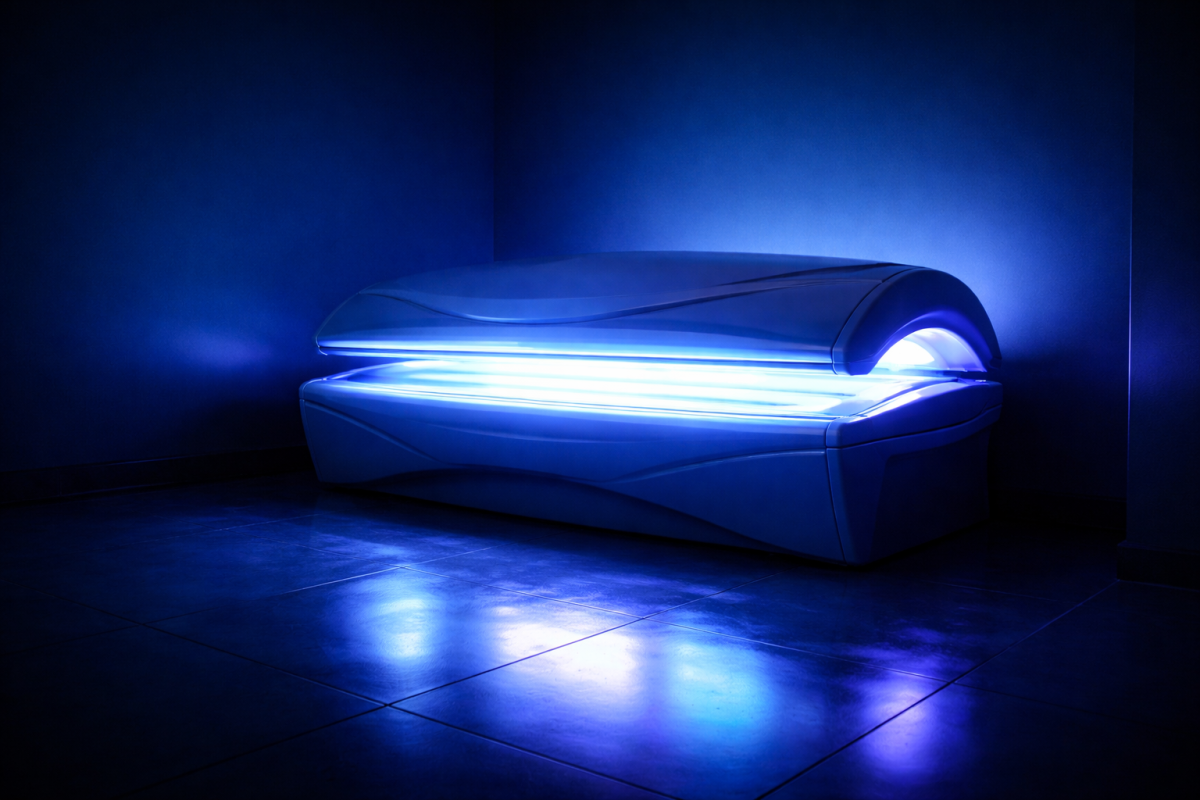
The use of tanning beds has become a growing public health concern due to their strong connection to melanoma, the deadliest form of skin cancer. Numerous studies have shown a direct link between indoor tanning and an increased risk of developing melanoma, especially among frequent users and younger individuals.
Tanning beds emit ultraviolet radiation, including UVA and UVB rays, which are known carcinogens. These rays penetrate the skin and damage the DNA inside skin cells. Although the body attempts to repair this damage, repeated exposure over time can lead to mutations. These mutations may cause skin cells to grow uncontrollably, resulting in skin cancer.
Many tanning salons market tanning beds as a safe alternative to natural sunlight. In reality, tanning beds can expose users to UV radiation levels that are much higher than what is typically experienced outdoors, even during peak sunlight hours. This intense exposure increases the likelihood of long term skin damage.
Research consistently shows that people who use tanning beds before the age of 35 face a significantly higher risk of developing melanoma. Even occasional use can raise the risk, while frequent use greatly increases it. The International Agency for Research on Cancer classifies tanning beds as a Group 1 carcinogen, placing them in the same category as asbestos and tobacco. Some studies suggest that regular tanning bed users can face up to three times the melanoma risk compared to those who have never used them.
Given the strong evidence, many public health organizations support stricter regulations and increased awareness. Some countries and states have already banned or limited tanning bed use, especially for minors. Health experts encourage safer alternatives such as sunless tanning lotions and emphasize protective measures like wearing sunscreen and appropriate clothing.
Understanding the risks of tanning beds is essential for making informed decisions about skin health. Public education and personal responsibility remain key to reducing melanoma rates and preventing unnecessary exposure to harmful UV radiation.