In the sports world, the Los Angeles Dodgers are quickly becoming a super team. They gained a new addition to the outfield with Kyle Tucker being signed to a four-year, $240 million contract. Because of moves like this, fans are now speculating that changes need to be made to Major League Baseball.
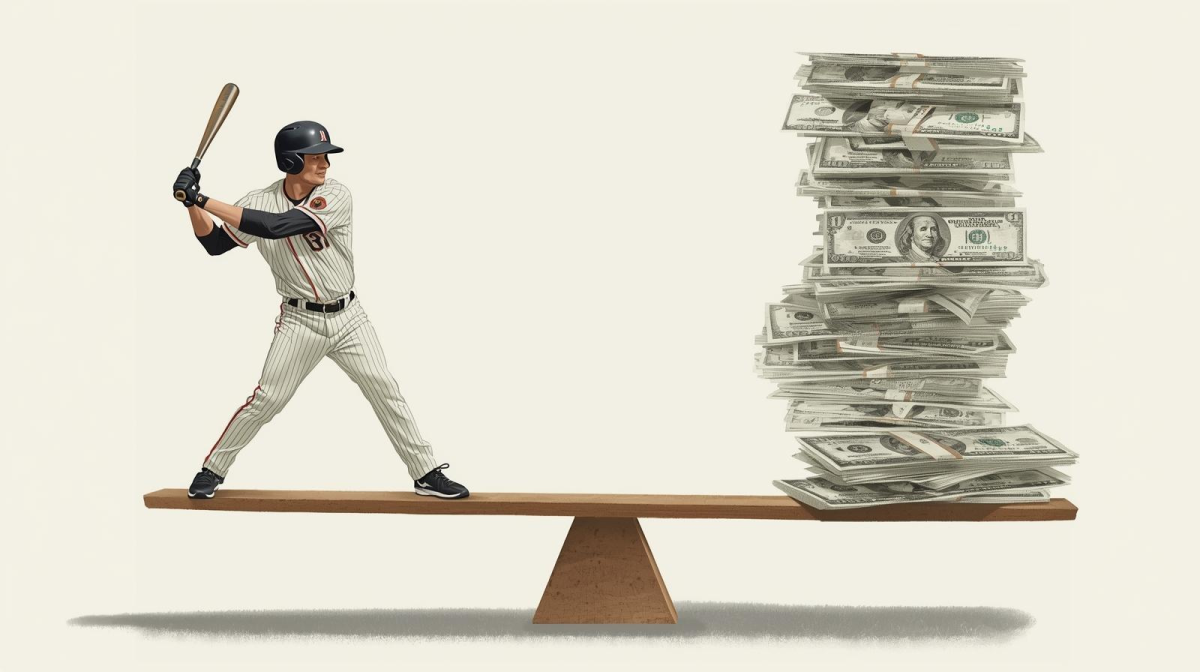
The Dodgers currently have a payroll that is double that of more than half of the other MLB teams in the league. Their total spending, including luxury taxes, is estimated to be close to $575 million for the upcoming season. They also have massive contracts on the books, such as the $700 million owed to Shohei Ohtani. In addition, the team is paying yearly salaries of $31.3 million, $30.4 million, $27.27 million, $27.08 million, and $27 million to other players. This level of spending is something most teams simply cannot compete with.
The ownership of the Dodgers is extremely wealthy and has the ability to pay these large contracts. However, this creates a major separation in the league because many other team owners cannot afford anything close to that type of payroll. Teams such as the Miami Marlins, Oakland Athletics, and Pittsburgh Pirates have payrolls ranging from $70 to $90 million, which is a huge gap compared to Los Angeles.
One of the main reasons this imbalance exists is because the MLB does not have a salary cap. Owners are allowed to spend as much money as they feel necessary to build their roster. In other major professional leagues, such as the NBA and NFL, there is a maximum amount teams are allowed to spend on players. Salary caps help level the playing field and allow smaller-market teams to compete with larger ones.
In the near future, changes in the MLB will most likely need to be considered to help create a narrower gap between teams. This is an important issue for the league, as some fans are beginning to lose interest due to the Dodgers’ dominance. If there are no limits on spending, it raises the question of what will stop teams like the Dodgers from continuing to buy the best players year after year.