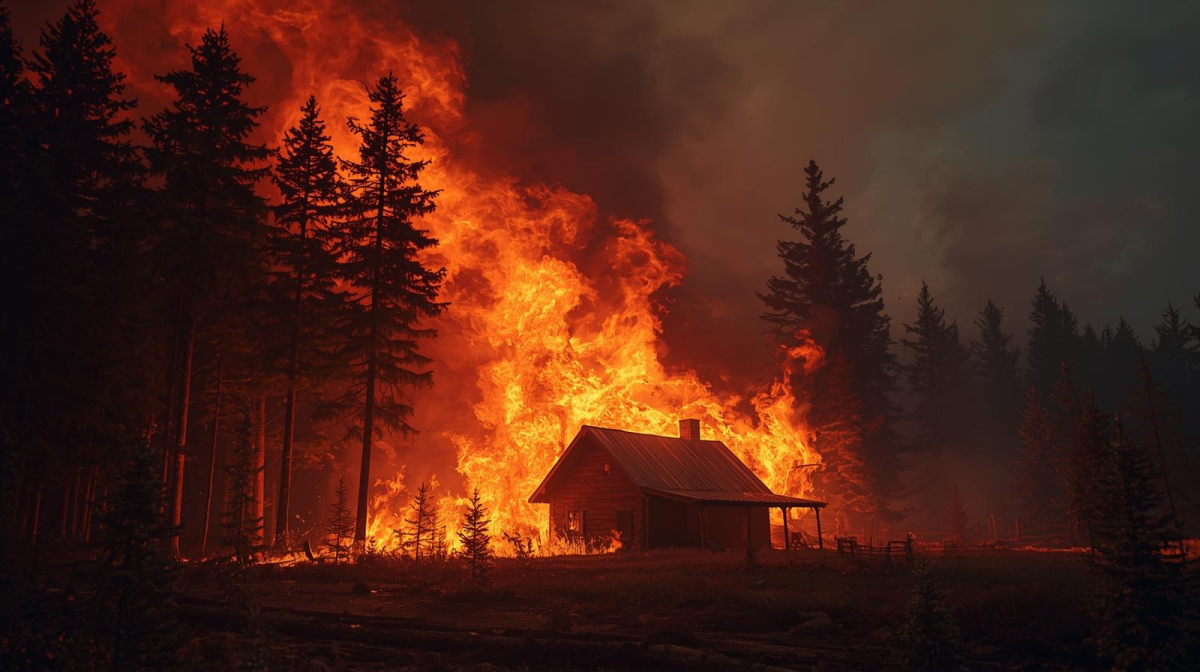
In Santiago, Chile, around January 19, 2026, a series of wildfires broke out and left around 19 people dead. Emergency officials said they were dealing with more than two dozen blazes that continued to grow worse by the minute. While some fires were slowed overnight due to calmer weather, the larger fires were still not fully contained.
“The projection we have today is of high temperatures,” Environment Minister Maisa Rojas Cordero said, explaining that the main concern was new fires being triggered throughout the region. Much of central Chile and parts of southern Chile were placed under extreme heat warnings, with temperatures reaching up to 37 degrees Celsius. These intense conditions made it extremely difficult for firefighters to control the spread of the flames.
In a small coastal city just north of the regional capital of Concepción, a 51-year-old woman named Ana Caamaño was among those with homes in flames. She was a resident of Lirquén and had lived in the same home her entire life. The house had been inherited from her parents and was filled with memories. After the fire, Caamaño found the remains of one of her four dogs along with charred rings and a metal ladle. Holding the items, she said, “They’re not that important. But they’re memories.”
Her son, Franco, was home at the time of the fire and tried to hose down the house to protect it. He said he soon noticed the fire getting closer. Suddenly, a strong gust of wind pushed a thick black cloud of smoke toward the home. He fled, leaving everything behind. “It came like lightning, it was so quick,” Franco said. His experience matched what many other residents described, a fast-moving fire that gave them little to no time to escape.
Authorities reported that more than 325 homes were destroyed, and an additional 1,100 homes are still being evaluated for damage. The fires left entire communities devastated and highlighted the increasing danger of extreme weather conditions in the region.