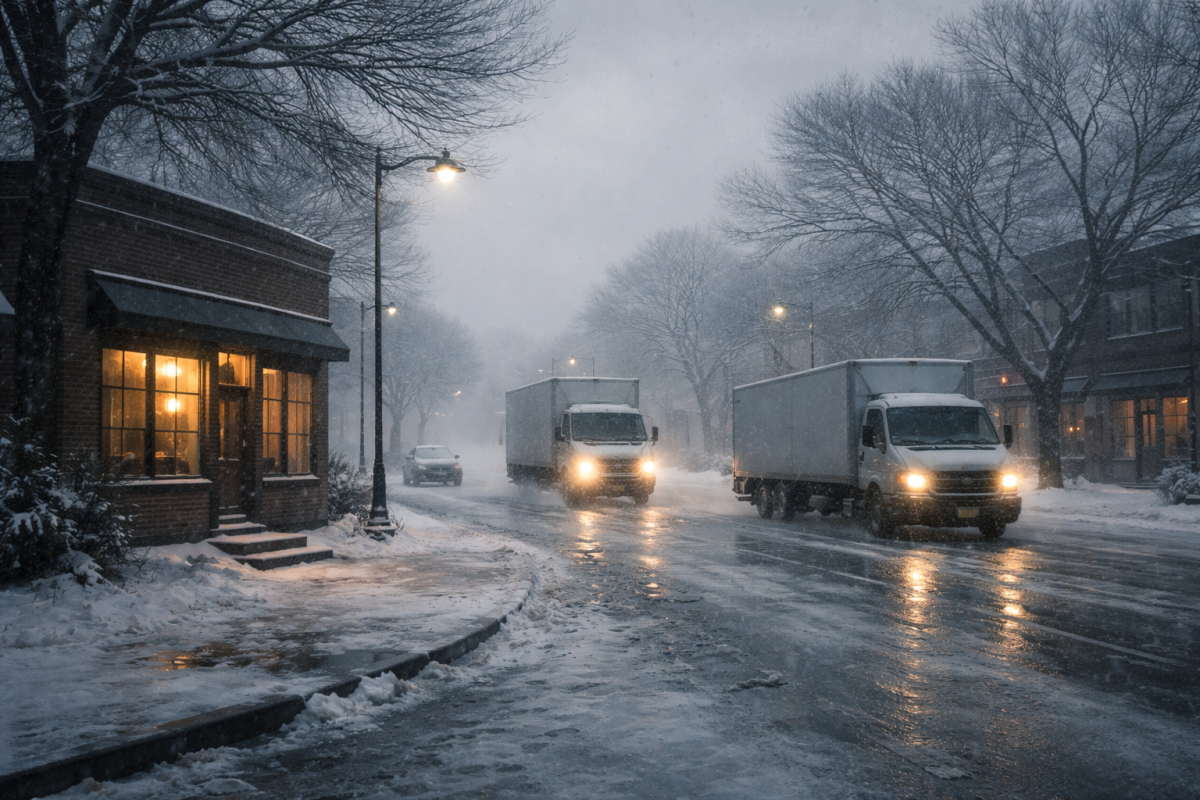
Minnesota’s winter in January 2025 was hard to ignore. Roads iced over, temperatures dropped below zero and travel became dangerous almost overnight. For many businesses, the weather alone was enough to cause delays and safety concerns.
Trucks were unable to make deliveries on time, and some employees worried about even getting to work. Equipment failures and high heating costs added more stress. Companies were forced to adjust quickly or shut down temporarily.
One Minnesota CEO chose to put safety first. Employees were allowed to work from home when possible, especially during the worst weather. The company also sent frequent updates about road conditions and safety reminders. While the changes were not ideal for every position, they helped reduce the risk of accidents.
But the weather was not the only reason some businesses felt tense.
During the same time, increased ICE activity in Minnesota caused concern among workers and company leaders. Some CEOs felt pressure to stay quiet about immigration policies, even if they personally disagreed with them. Speaking out felt risky, especially when employees or family members could be affected.
Several business leaders worried that public statements could draw unwanted attention. As a result, many chose silence.
The combination of harsh winter conditions and fear surrounding ICE enforcement created what some described as a “climate of fear.” For Minnesota businesses, January was not just about surviving the cold. It was about deciding when speaking up might cost more than staying silent.