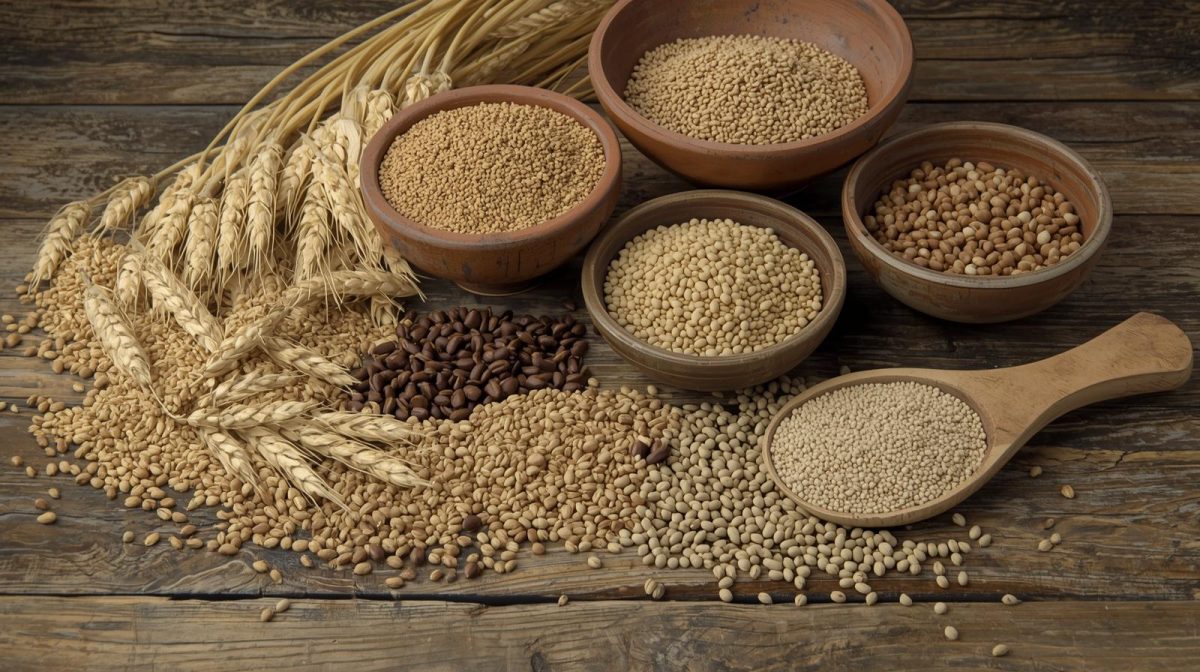
In recent years, ancient grains like quinoa and spelt (a wheat alternative), have increased greatly in popularity. Many people believe that these grains are more nutritious and better for the body. However, new research shows that these grains are more complicated than they seem.
Ancient grains are crops that have been grown for thousands of years and have had relatively little change. This is due to the fact that they are less processed. They are often seen as “superfoods”. Quinoa is known for being very high in protein and nutrients which is why it is so appealing to people who are looking to add some healthier options into their diets.
Experts say that even though these grains have tons of beneficial nutrients, such as protein and fiber, many modern grains, like whole grains, offer very similar health benefits. Whole grains still contain the part of the grains that holds all the good nutrients, the bran and germ.
Another thing to consider is how the grain is processed. Grains that are super refined, no matter how old they are, lose tons of their nutrients during the processing. This means that choosing a whole version of a grain is many times more important than whether or not the grain is ancient.
Foods labeled as “ancient” may seem healthier, but that label does not always guarantee better nutrition. In many cases the differences between modern grain and ancient grains are smaller than people expect. Ancient grains can be a healthy part of a balanced diet but they aren’t a miracle food. Instead of only focusing on the age of the grain, it is more important to look at the overall quality of the grain.